
Hypertrophic Cardiomyopathy
Hypertrophic cardiomyopathy (HCM) is one of the most common inherited cardiomyopathies, but as many as 85% of people with the condition have not been diagnosed. Missing the presence of HCM could lead to significant morbidity, most severely sudden cardiac death.

Skilled echocardiography and image interpretation is critical to diagnosing HCM and distinguishing it from other cardiac conditions. It is also necessary in guiding certain treatment options, such as septal reduction therapy (SRT) and mitral valve repair. Physicians and sonographers can struggle to recognize the specific clinical signs and symptoms that indicate the need for echocardiographic evaluation in patients suspected of having HCM. Further, there is a lack of consistent use and understanding of advanced echocardiographic modalities among clinicians, which results in suboptimal assessments of HCM. To address this and other gaps, ASE is leading innovation, inclusion and integration in HCM by providing education and conducting Forums that bring together key group leaders in the clinical community with the goal of improving patient care.
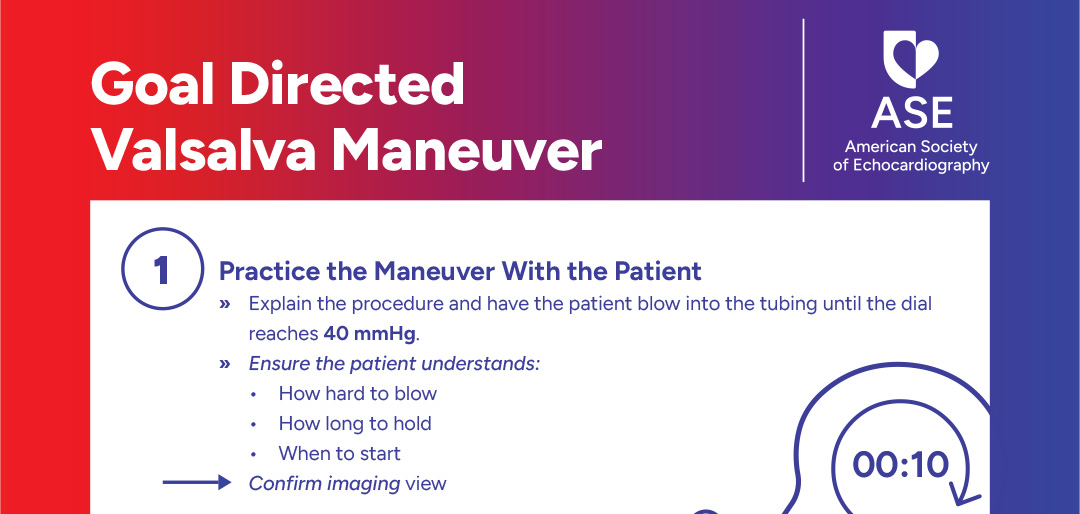
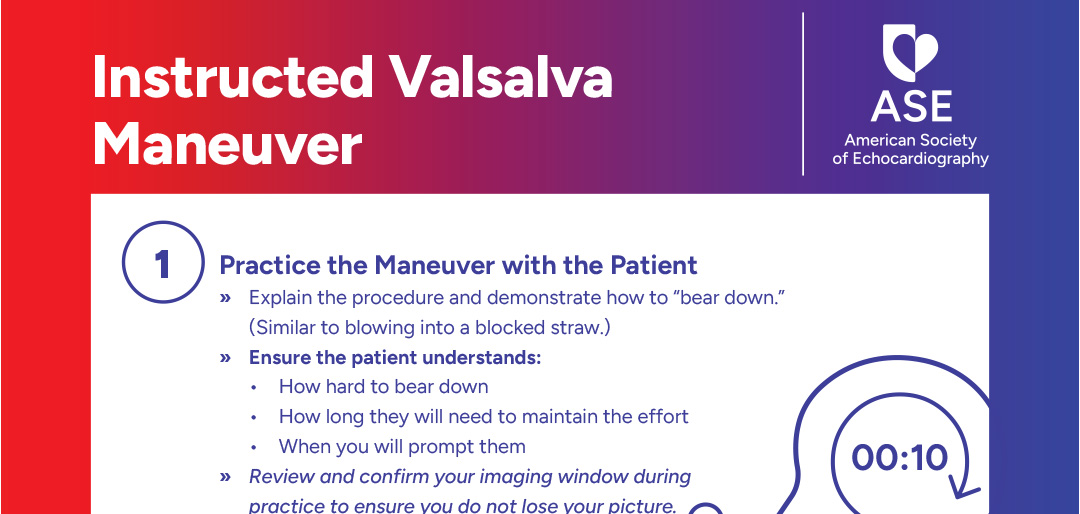
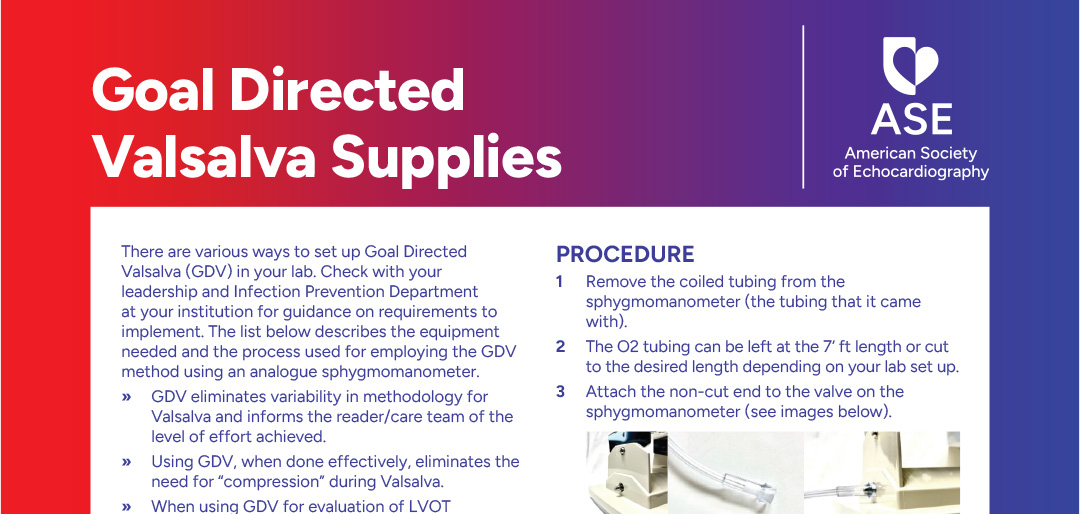
Goal Directed Valsalva Education Series
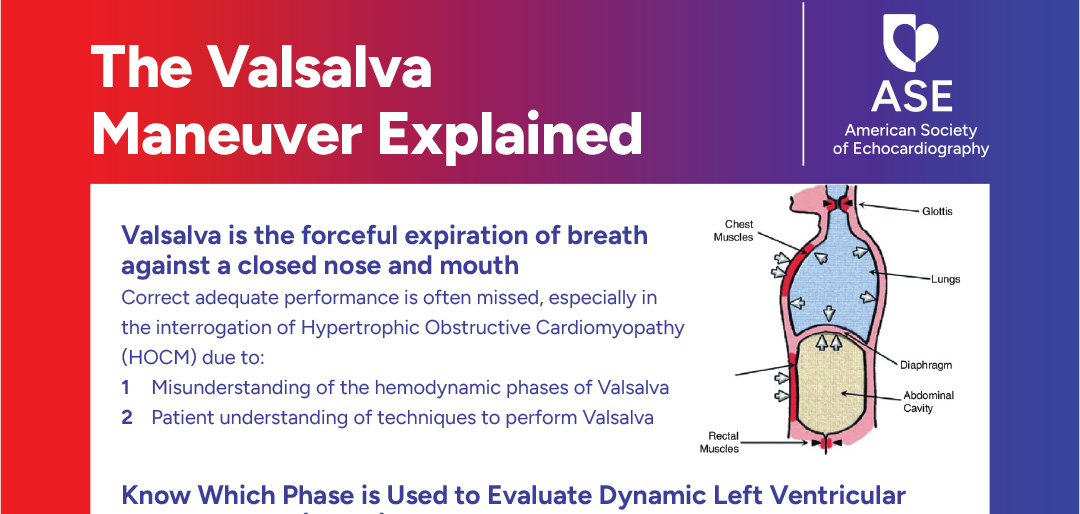
Elevate your diagnostic accuracy by mastering the nuances of the Valsalva maneuver in echocardiography. This microlesson series explores traditional instructed Valsalva versus the Goal Directed maneuver, providing "tips and tricks" to overcome common pitfalls.
We will examine the physiological phases of Valsalva and will dive into how Valsalva-induced hemodynamic shifts serve as a vital tool for both initial diagnosis and therapeutic follow-up.
This is supported by an unrestricted educational grant from Bristol Myers Squibb.


Goal Directed Valsalva
On-Demand Webinar
Join us for an informative session on
Goal Directed Valsalva.
Goal Directed Valsalva Resources
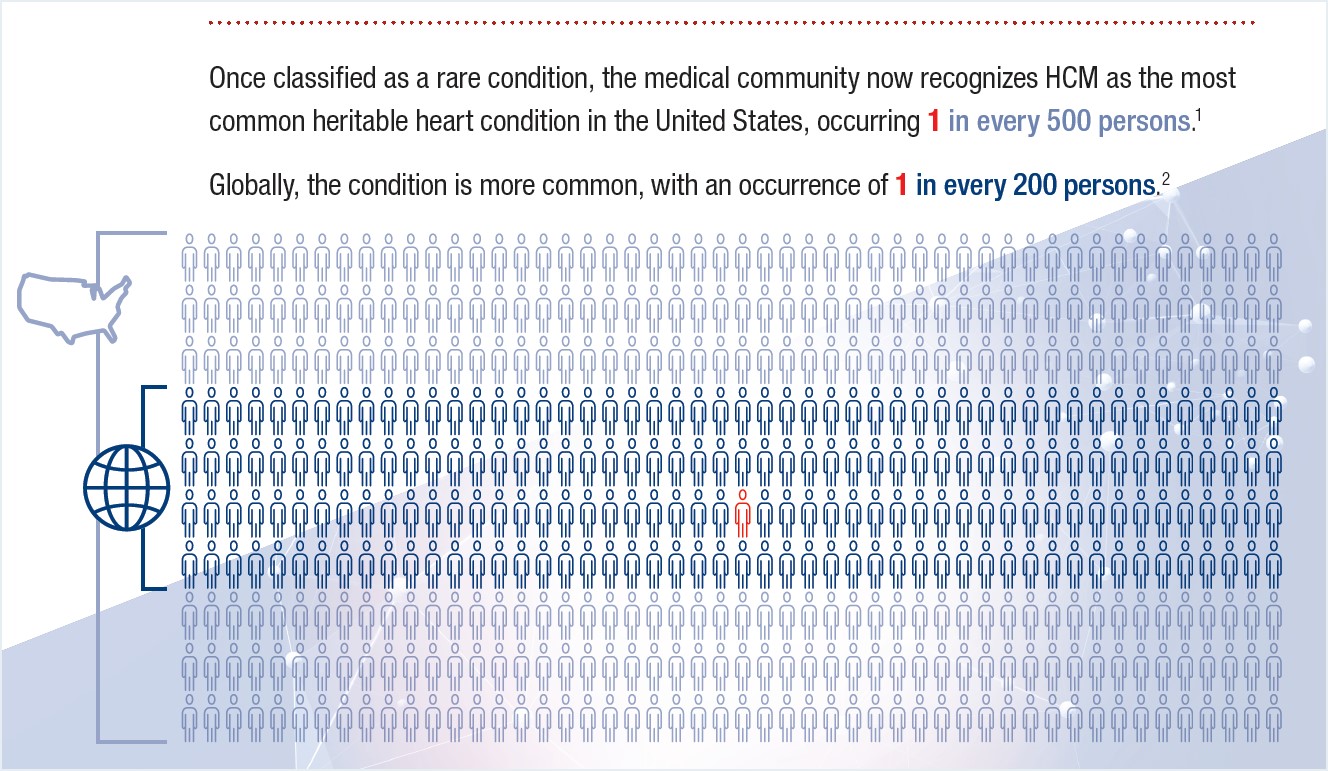
1 - Familial hypertrophic cardiomyopathy. The Medline Plus website. Available at: https://medlineplus.gov/genetics/condition/familial-hypertrophiccardiomyopathy/#
frequency. Accessed on July 26, 2023.
2 - Hypertrophic cardiomyopathy (HCM). The American Heart Association website. Available at: https://www.heart.org/en/health-topics/
cardiomyopathy/what-is-cardiomyopathy-in-adults/hypertrophic-cardiomyopathy. Accessed on July 26, 2023.
ASE Offers a Hypertrophic Cardiomyopathy Certificate of Completion
Resources
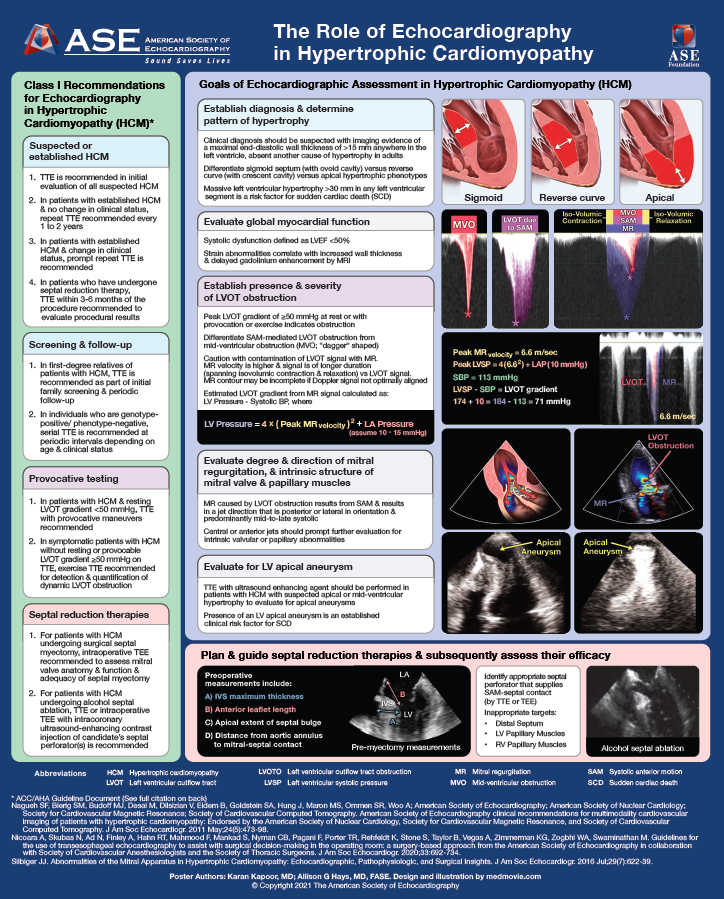
The Role of Echocardiography in Hypertrophic Cardiomyopathy Poster
Poster Resource
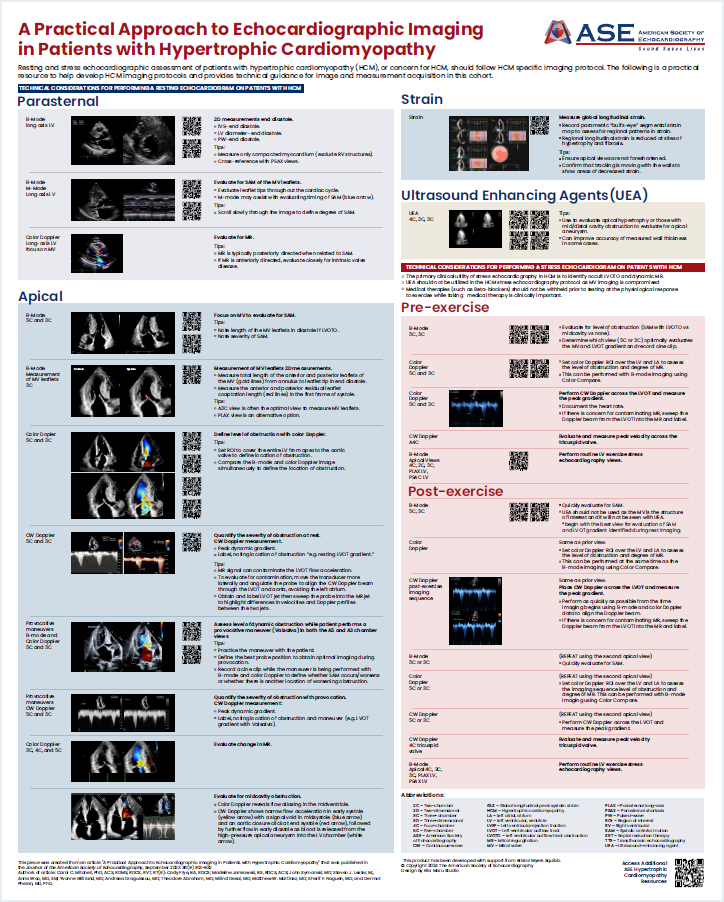
A Practical Approach to Echocardiographic Imaging in Patients with Hypertrophic Cardiomyopathy
Developed with support from Bristol Myers Squibb.

Microlessons in Echocardiography and HCM Series
Watch the Microlesson in Echocardiography and HCM Series Playlist on ASE’s YouTube Channel.
ASE thanks the following faculty members for their contributions to this microlesson content:
Ted Abraham, MD, FASE, Steven Lester, MD, FASE, Carol Mitchell, PhD, RDMS, RDCS, RVT, RT(R), ACS, FASE, Dermot Phelan, MD, PhD, FASE, Madeline Jankowski, BS, ACS, RDCS, FASE