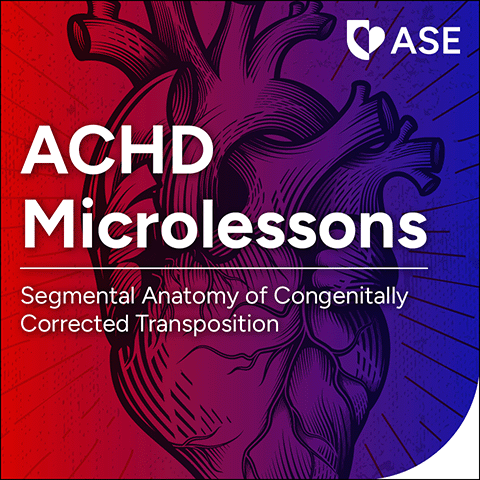
This module presents a case study and expert discussion focusing on the long-term management of an adult patient diagnosed with congenitally corrected transposition of the great arteries (CCTGA). The case details the patient’s symptoms, medical history, and treatment trajectory, including the use of transthoracic and transesophageal echocardiography (TEE), cardiac MRI, and cardiopulmonary exercise testing to assess systemic right ventricular function and associated valvular issues like tricuspid regurgitation. Experts expand on the clinical challenges of caring for adults with CCTGA, emphasizing common complications such as heart block and ventricular dysfunction, and reviewing the evidence guiding interventions, such as the timing of tricuspid valve surgery and the utilization of devices like the biventricular ICD.
Learning Objectives:
- Describe the unique segmental anatomy of congenitally corrected transposition (CCTGA).
- Identify the major long-term complications in adult patients with CCTGA.
- Explain how imaging informs therapeutic intervention in CCTGA, noting that echo is critical for monitoring systemic right ventricular function and tricuspid regurgitation.
- Discuss management strategies for arrhythmias and ventricular failure in CCTGA patients.
CME Information: 1.0 AMA PRA Category 1 Credit(s)™
CME Expiration: November 17, 2028 (CME Credits must be claimed by this date.)